Can a Solar Generator Handle Whole-Home Backup?
A solar generator can handle whole-home backup, but only when its battery capacity, inverter output, and recharge options match your household’s actual demand. Small portable units usually cover a few essentials, while whole-home systems are built to support larger loads such as refrigerators, lighting, internet, well pumps, and even some HVAC equipment. The key question is not whether solar backup works, but how much of your home you expect to run and for how long. Understanding your home’s running watts, surge requirements, and daily energy use will tell you whether a solar generator can serve as limited emergency power or a practical whole-home backup solution during outages.
Can a Solar Generator Power an Entire House?
How Solar Generators Supply Whole-Home Backup Power
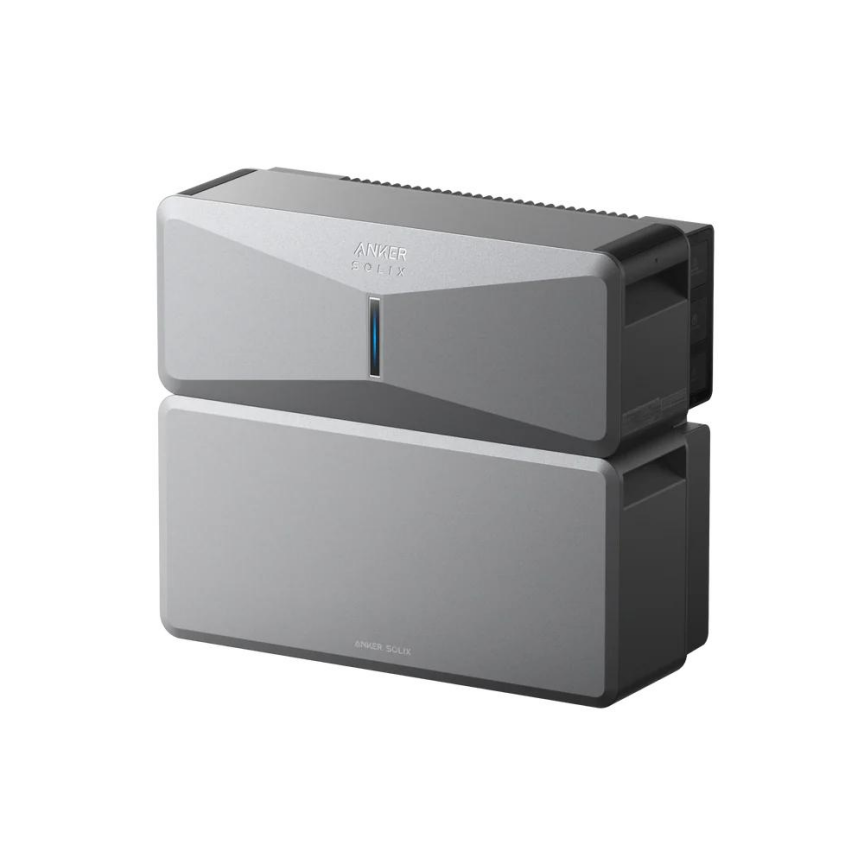
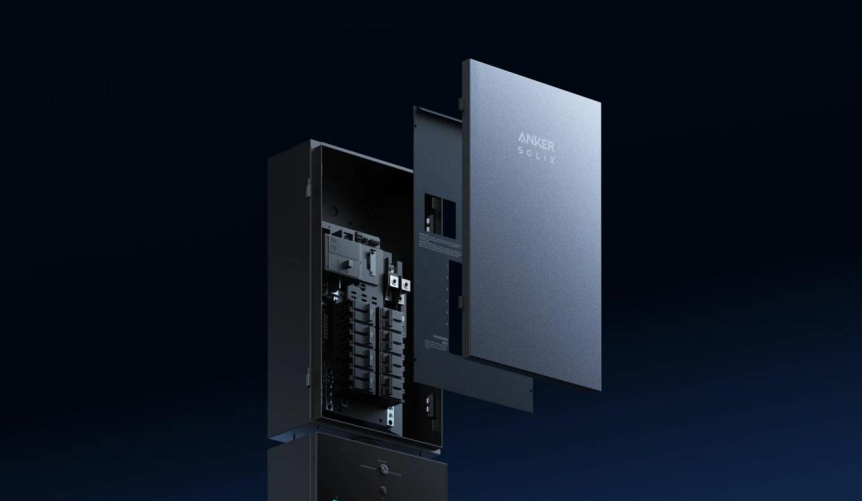
Whole-home solar generators store electricity in batteries, convert it through an inverter, and send usable AC power to household circuits during an outage. In a properly configured system, the generator connects through a transfer switch or home backup interface so selected circuits, or sometimes the full panel, continue operating with minimal interruption. Systems designed for whole-home use provide split-phase 120/240V output, which is necessary for many large household loads. For example, the Anker SOLIX E10 Whole-Home Backup delivers 120/240 VAC split phase, 7,680W continuous output, up to 10,000W turbo output for 90 minutes, and seamless switchover in 20 milliseconds or less. That allows backup power to feel much closer to normal utility service.
What a Solar Generator Can and Cannot Run
The best generator for home backup power can run many common household loads, including lights, refrigerators, freezers, routers, televisions, microwaves, garage doors, and sump pumps, as long as total demand stays within the inverter’s output limits. Larger systems may also support well pumps, electric cooking appliances, or central air conditioners with enough surge capacity. However, running everything at once is a different question. High-draw electric water heaters, clothes dryers, ovens, and multiple HVAC loads can drain batteries quickly or exceed continuous output. That means a solar generator may power an entire house in a managed way, but not always every circuit simultaneously. The most effective setups prioritize essential loads first, then add comfort loads as capacity allows.
What Determines Whole-Home Solar Generator Performance?
Battery Capacity, Power Output, and Appliance Starting Watts
Whole-home backup performance depends on three core numbers: battery capacity, continuous power output, and surge or starting power. Battery capacity, measured in watt-hours or kilowatt-hours, determines how long the system can run before recharging. Continuous output determines how many appliances can run at the same time. Starting watts matter because motors in refrigerators, pumps, and air conditioners often need a brief power spike well above normal running demand. If the inverter cannot handle that surge, the appliance may not start even when its running wattage looks acceptable. This is why whole-home planning must account for both steady loads and startup loads, especially for HVAC systems, pumps, compressors, and workshop equipment that cycle on unexpectedly.
Solar Panel Input, Recharge Time, and Backup Runtime
Solar input directly affects how well a backup system can sustain a home through a long outage. A larger solar array can replace energy used during the day, extend battery runtime, and reduce dependence on grid or generator charging. Recharge time depends on available sunlight, panel wattage, weather conditions, and how much energy the home continues using while charging. Runtime, meanwhile, is shaped by battery size and load management. A modest load can stretch backup for many hours, while heavy air conditioning or electric heating can shorten it quickly. Fast AC charging and generator support also matter when sunlight is limited. The best whole-home systems balance enough stored energy with enough daily solar production to keep batteries from falling behind.
How to Size a Solar Generator for Whole-Home Backup
Calculate Your Home’s Essential and Total Power Needs
Start by listing the appliances and circuits you want backed up, then note both their running watts and starting watts. Essential loads usually include refrigeration, lights, internet, phone charging, medical devices, security systems, and possibly sump or well pumps. Next, total their wattage to estimate how much power you need at one time. Then estimate daily energy use in kilowatt-hours by multiplying each device’s wattage by hours of operation. This gives you two sizing targets: inverter power for simultaneous loads and battery capacity for runtime. If you want true whole-home backup, also review 240V loads such as dryers, ranges, water pumps, and central air. Your electrical panel and outage priorities should guide the final number.
Choose a Solar Generator Setup for Your Backup Goals
Choose your setup based on what “whole-home backup” means for your household. If your goal is emergency coverage for essentials, a smaller battery bank with adequate inverter output may be enough. If you want normal household operation during multiday outages, you need more battery storage, stronger 120/240V output, and substantial solar input. Expandable systems are often the most practical because they let you start with critical circuits and add capacity later. Also consider transfer equipment, installation method, weather protection, and whether the system supports fast switchover. For homes with central air, pumps, or heavier 240V appliances, verify split-phase output and starting capability before buying. The right setup is the one sized to your actual loads, not a marketing label.
Conclusion
A solar generator can handle whole-home backup when it is designed for residential loads, properly installed, and sized around real power use. The clearest answer is yes for many homes, but only with a system that supports 120/240V service, enough continuous output for simultaneous appliances, and enough battery capacity to cover the desired runtime. If your goal is to run lights, refrigeration, communications, pumps, and selected comfort loads, a whole-home backup system can do that very effectively. If you expect to run every major electric appliance at once for long periods, you will need a larger and more expandable setup. Start with your essential circuits, calculate both wattage and daily energy use, and match the system to those numbers for reliable backup.