Generator or Battery: Which Costs Less for Whole-Home Backup?
Generator and battery backup solve the same problem, but they create costs in very different ways. A generator usually looks cheaper when you focus on long runtime and lower equipment pricing, while a battery can become the better value when it reduces daily utility costs and needs less ongoing maintenance. The lower-cost choice depends on how many circuits you want to run, how long outages usually last, and whether you will use the system only during emergencies or every day. A fair comparison starts with identical backup goals, then tracks purchase, installation, fuel, charging, and service costs over time.
Start With the Same Whole-Home Backup Requirements
Match Appliance Loads and Required Backup Hours
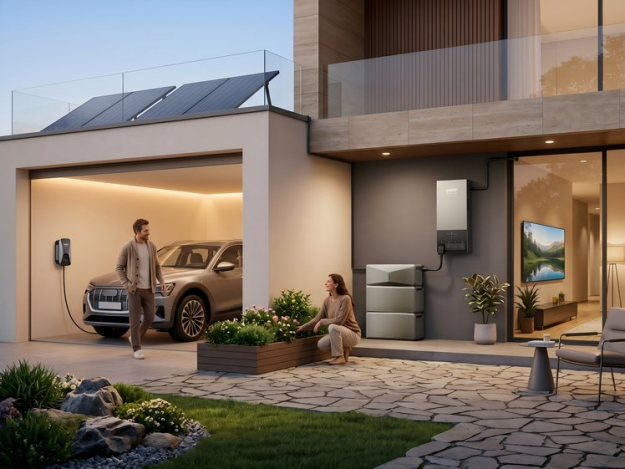
The first step is to size both options for the same house, not for two different levels of protection. List the appliances and circuits you expect to keep running: HVAC equipment, well pump, refrigerator, lights, internet, medical devices, and cooking loads. Then calculate both peak starting demand and total energy use over the outage period you want to cover. A system sized for a few essentials over eight hours will cost far less than one sized for whole-home comfort through a multi-day outage. If you want a battery comparison point, Anker SOLIX E10 Whole-Home Backup offers 6–90 kWh of expandable battery capacity, solar charging compatibility, and optional generator integration to support longer outages.
Define What Each Installed Quote Must Include
Installed pricing must cover the same scope of work or the comparison will mislead you. Ask for quotes that specify transfer equipment, electrical labor, permits, delivery, startup testing, and any utility or inspection fees. For generators, include the fuel line extension, tank work if required, pad placement, exhaust clearances, and weather protection. For batteries, include inverters, battery modules, gateway or transfer switch hardware, load management components, and app commissioning. Also confirm whether the quote covers whole-home backup or only selected loads. The real cost difference often appears in these details, not in the headline equipment price, so every line item should reflect the same level of backup performance.
Compare What You Pay Upfront and After Installation
Generator Equipment, Fuel Connections, and Servicing
Generators often win on upfront dollars when you need long-duration backup for a large home. The equipment itself may be less expensive than a high-capacity battery system sized for the same total runtime, especially if your outage plan assumes continuous operation over several days. Servicing and fuel increase whole house generator cost. Fuel consumption during every outage, periodic oil and filter changes, inspections, battery replacement, and exercise cycles all affect long-term spending. If you need a new natural gas connection, propane tank rental, or buried fuel line work, installation costs rise quickly. Noise, emissions, and local placement rules can also increase site-preparation costs that are easy to underestimate at the quote stage.
Battery Storage, Transfer Hardware, and Recharging
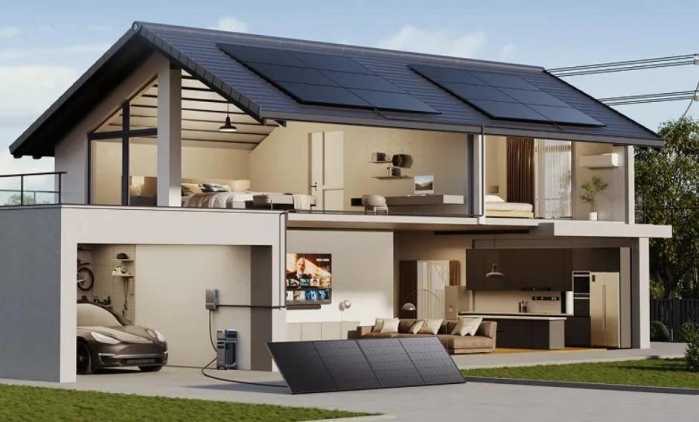
Battery backup usually requires a higher initial investment, especially when you want enough stored energy to run major loads for many hours without solar input. Costs often include battery modules, inverter capacity, control hardware, and electrical upgrades to support seamless transfer. Once installed, however, a battery system can have lower routine ownership costs because it does not need fuel deliveries, oil service, or engine maintenance. Recharging costs come from the grid or solar production, and those costs may be offset when the battery supports self-consumption, peak shaving, or time-of-use savings. If you cycle the battery regularly instead of leaving it idle for emergencies only, the economics improve because the system provides value on ordinary days too.
Which System Costs Less for Your Pattern of Use?
Occasional Outages With Limited Annual Backup Hours
For homes that lose power only a few times each year, a generator often costs less over the system’s life when the main goal is emergency coverage at the lowest entry price. That is especially true if outages tend to last long enough that battery capacity would need to be very large to match the same runtime. Paying for stored electricity you rarely use can make a battery harder to justify on cost alone. In this usage pattern, the generator’s fuel and service expenses stay limited because annual runtime remains low. If your priority is dependable whole-home backup during infrequent storms or grid failures, the generator usually delivers the lower total cost per emergency hour protected.
Frequent Outages and Daily Battery Energy Management
A battery often becomes the lower-cost option when outages are frequent and the system also works every day to manage household energy. Instead of sitting idle most of the year, it can charge when electricity is cheaper or when solar production is high, then discharge during expensive periods or outages. That daily use creates ongoing financial value that a standby generator cannot match. Homes in areas with unstable grids, high peak rates, or solar generation often see stronger battery economics because one system handles resilience and bill management together. If you expect repeated outages and plan to use stored energy regularly, battery backup can produce lower long-term ownership cost despite higher upfront pricing.
Conclusion
The lower-cost whole-home backup system is the one sized to your real loads and used in the way it was designed to create value. Generators usually cost less for infrequent emergencies and long outage runtime, particularly when daily energy savings are not part of the plan. Batteries usually cost less over time when they support both backup and everyday energy management. Compare equal backup hours, equal loads, and fully itemized installation quotes before deciding. If you want resilience plus ongoing household energy benefits, a battery has the stronger cost case. If you mainly want affordable standby protection, a generator often remains the cheaper choice.